
Oil vs Lacquer
When it comes to choosing a finish for your wooden floors, understanding the differences between oil and lacquer is essential for making an informed decision.
At Kent Wood Flooring, we offer a comprehensive overview of both options to help you determine which finish best suits your style and needs.
Beauty is in the eye of the Beholder

Kent Wood Flooring
Oil Finishes
Characteristics:
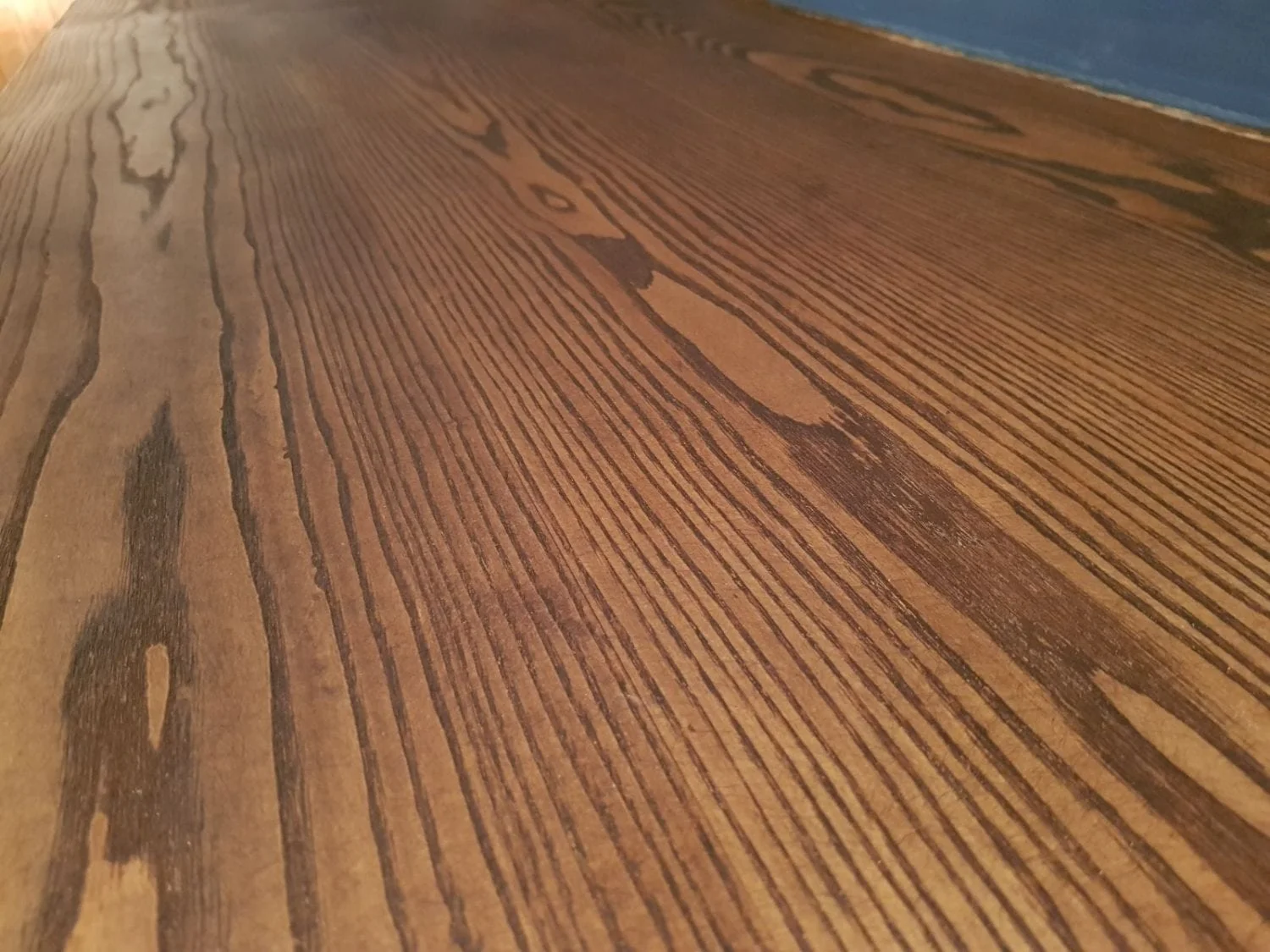
- Natural Look: Oil finishes penetrate the wood, enhancing its natural grain and color. This results in a low-sheen, matte appearance that many homeowners find attractive.
- Enhanced Durability: Oils provide a durable surface that can help protect the wood from scratches and moisture when applied correctly. However, they require more frequent maintenance than lacquer finishes.
- Easy Maintenance: Spot repairs and reapplications can be done relatively easily, allowing you to maintain the floor without the need for complete refinishing.
- Breathability: Oil finishes allow the wood to breathe, which can be beneficial in preventing moisture buildup underneath the finish.
Considerations:
- Drying Time: Oil finishes typically take longer to dry, with some requiring several coats and extended curing periods.
- Color Variation: Because oil finishes enhance the natural color of the wood, they may change slightly over time, especially when exposed to sunlight.
- Regular Maintenance: Oil-finished wood floors require regular maintenance to keep them looking their best, and must be periodically buffed with a reapplication of oil. We recommend bi-annual buffing and re-application of oil.
Lacquer Finishes
Characteristics:
- High Durability: Lacquer finishes provide a strong, hard shell that is resistant to scratches and stains. This makes them a popular choice for high-traffic areas and homes with pets and children.
- Quick Drying Time: Lacquer dries quickly, often allowing for multiple coats to be applied in a single day, significantly speeding up the finishing process.
- Glossy Finish: Lacquer typically offers a more polished, glossy appearance, enhancing the rich colors and details of the wood grain.
- Low Maintenance: Once cured, lacquered floors are relatively easy to clean and maintain, requiring only routine sweeping and occasional mopping. Despite buffing not being as imperative with lacquers, we suggest 4 yearly buffing and re-coating to keep the floor looking its best and protected.
Considerations:
- Chemical Resistance: While lacquer provides excellent durability, it can be vulnerable to harsh chemicals and abrasives, which may affect its finish over time.
- Less Breathable: Lacquer creates a sealed surface that doesn’t allow the wood to breathe as much as oil finishes.
- Repair Challenges: If a lacquered floor becomes damaged, it may need to be entirely sanded and refinished rather than just spot repaired.
Conclusion
Choosing between oil and lacquer finishes for your wooden floors ultimately depends on your personal preferences, lifestyle, and maintenance willingness. Oil finishes offer a natural look and ease of repair, whereas lacquer provides a durable and shiny surface ideal for busy homes.
At Kent Wood Flooring, we are here to help you navigate these choices and determine the best finish for your wood flooring project. If you have further questions or wish to explore our finishing options, please contact us today!
Looking for Wood Floor Installation or Restoration?
Showroom
Visit our countryside showroom in Sevenoaks. By appointment only.
Installation
We have quality services and a team of fully insured, trained and qualified professionals.
Restoration
Restore your wood flooring to its original condition with Kent Wood Flooring.
